Analog Bags, Grandma-Era Activities, and What Kids Are Quietly Asking For
January 29th, 2026
The “analog bag” isn’t about rejecting technology. It’s about inviting something different, noticing what kids reach for when screens disappear, and responding to what they are quietly asking for — space to wander, hands to work, and time that isn’t optimized.
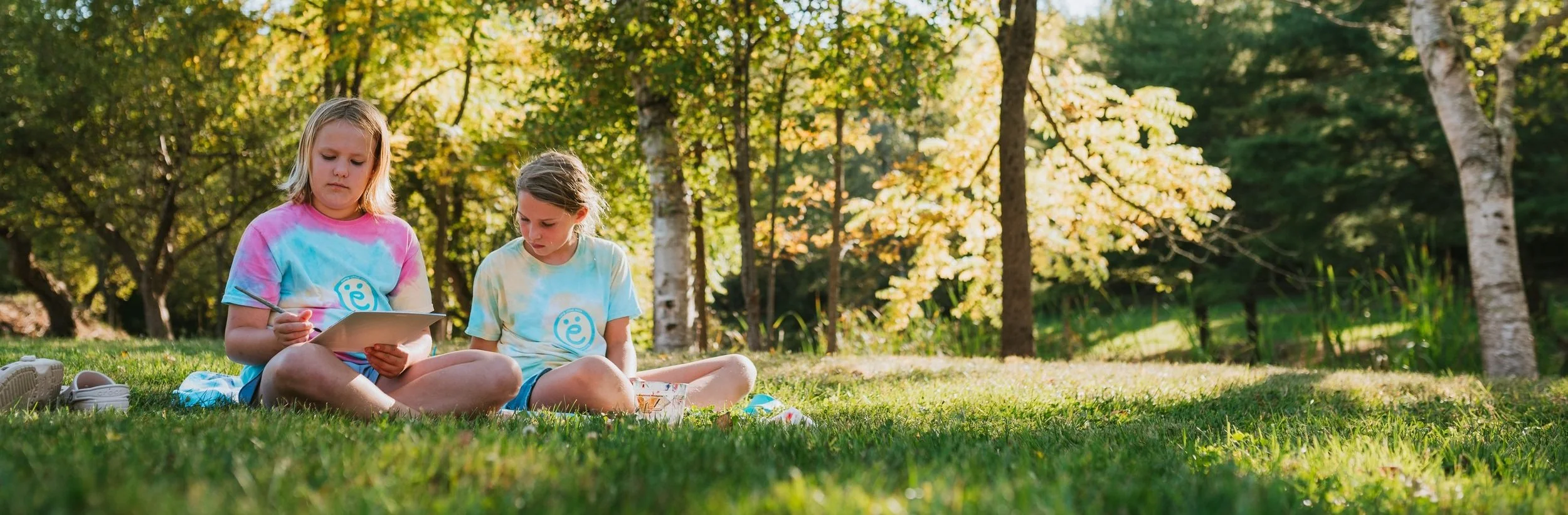
Something I heard about recently — and maybe I’m behind the trend because I’m usually busy doing these things instead of scrolling past them — is the idea of an ‘analog bag.’ A bag filled with non-digital things: books, crafts, journals, knitting, puzzles, little projects for hands and minds that don’t require a screen.
It made me smile, because I’ve been doing this for as long as I can remember and yet somehow also feel late to the trend!
I could crochet you a pair of slippers before I could read. I wrote all my essays in cursive with a fountain pen until high school. I love to knit, sew, crochet, embroider — basically anything that keeps my hands busy. I grew up making handmade gifts for friends and still do to this day. I hiked the Appalachian Trail, 2,191 miles over four months screen-free, letting my attention wander through the natural world to the steady rhythm of my own step.
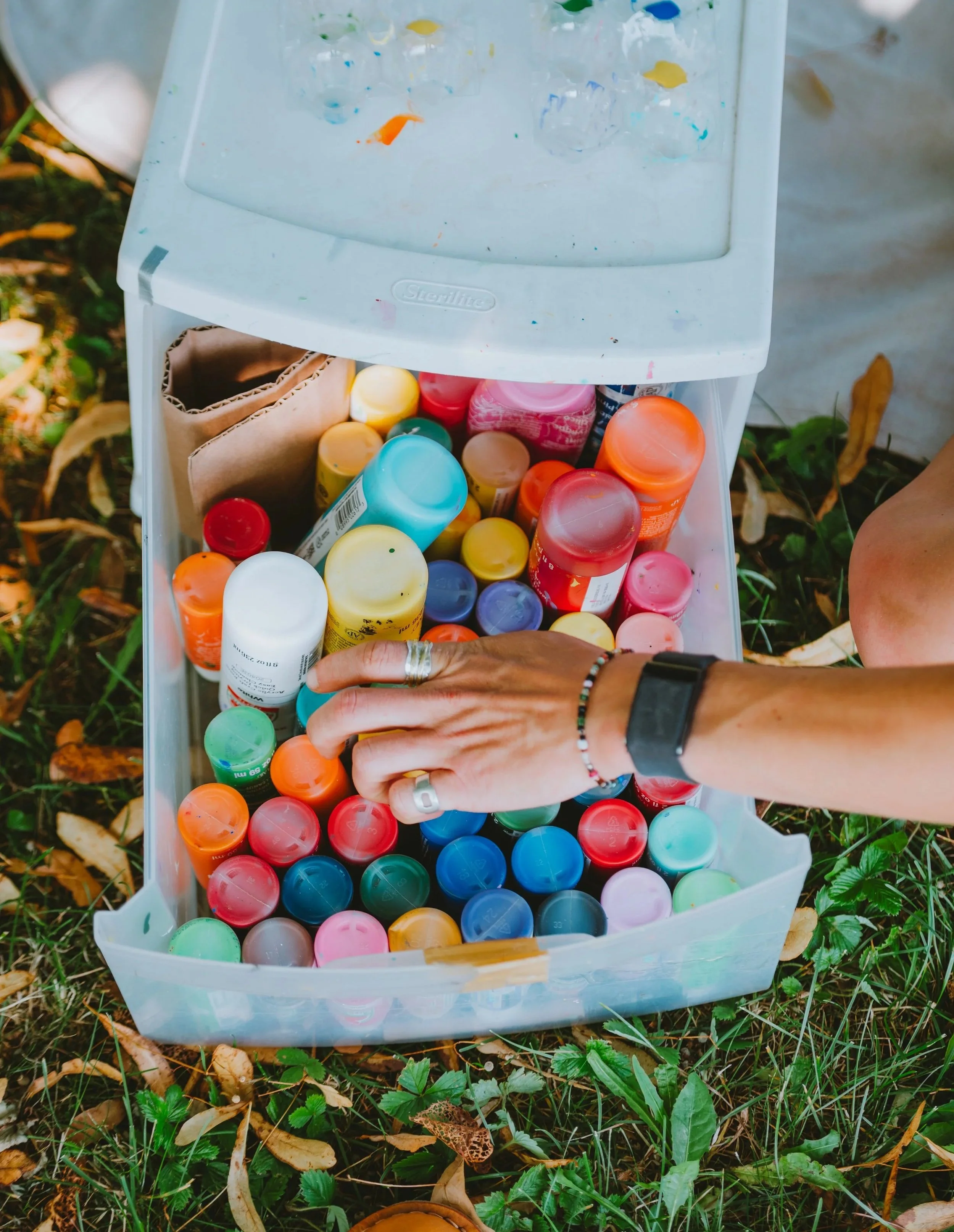
I’ve also spent my life building environments where kids thrive without screens. I’ve watched what happens when you give children time, tools, and permission to slow down. I’ve seen what unfolds after 24–72 hours without devices, and what kids naturally reach for when screens disappear. We’ve been running around camp with “analog bags” for years — we just never called them that.
-
We’ve all noticed it — over the last decade, screens have become more and more intertwined with our daily lives. We’ve gotten really good at filling any and every quiet moment. Our brains are overstimulated and, paradoxically, still seeking more stimulation. Moments that used to invite stillness and reflection — waiting rooms, car rides, meals alone, the space between scheduled activities — are now filled. Downtime is disappearing, and boredom has become something to fix instead of something to explore.
When everything is fast, bright, and designed to hold attention, kids rarely get the chance to discover what holds their own attention. Their focus is constantly pulled outward. There’s little room for their minds to slow down, feel, imagine, and create.
-
In tech-free environments, kids show us what they actually want.
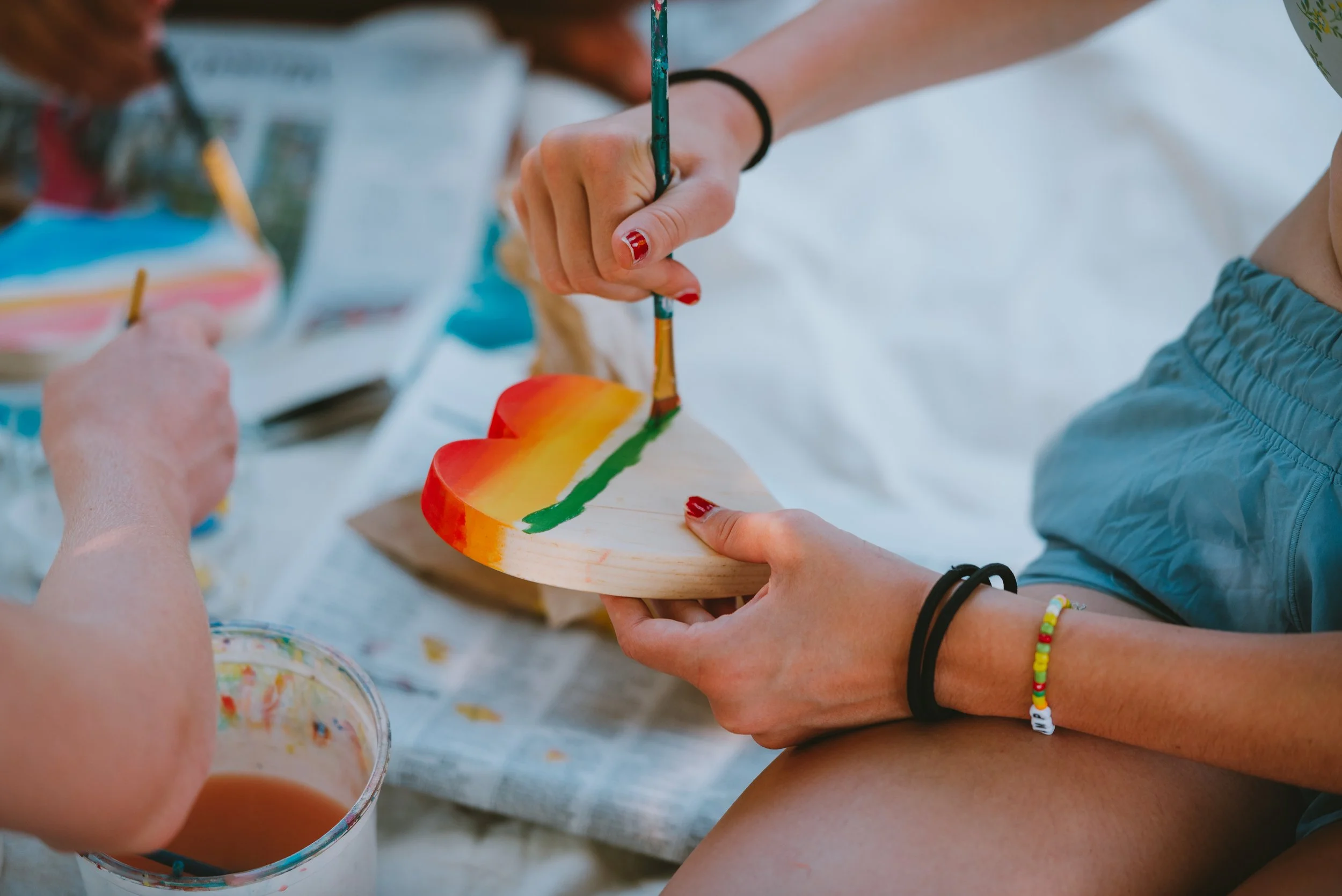
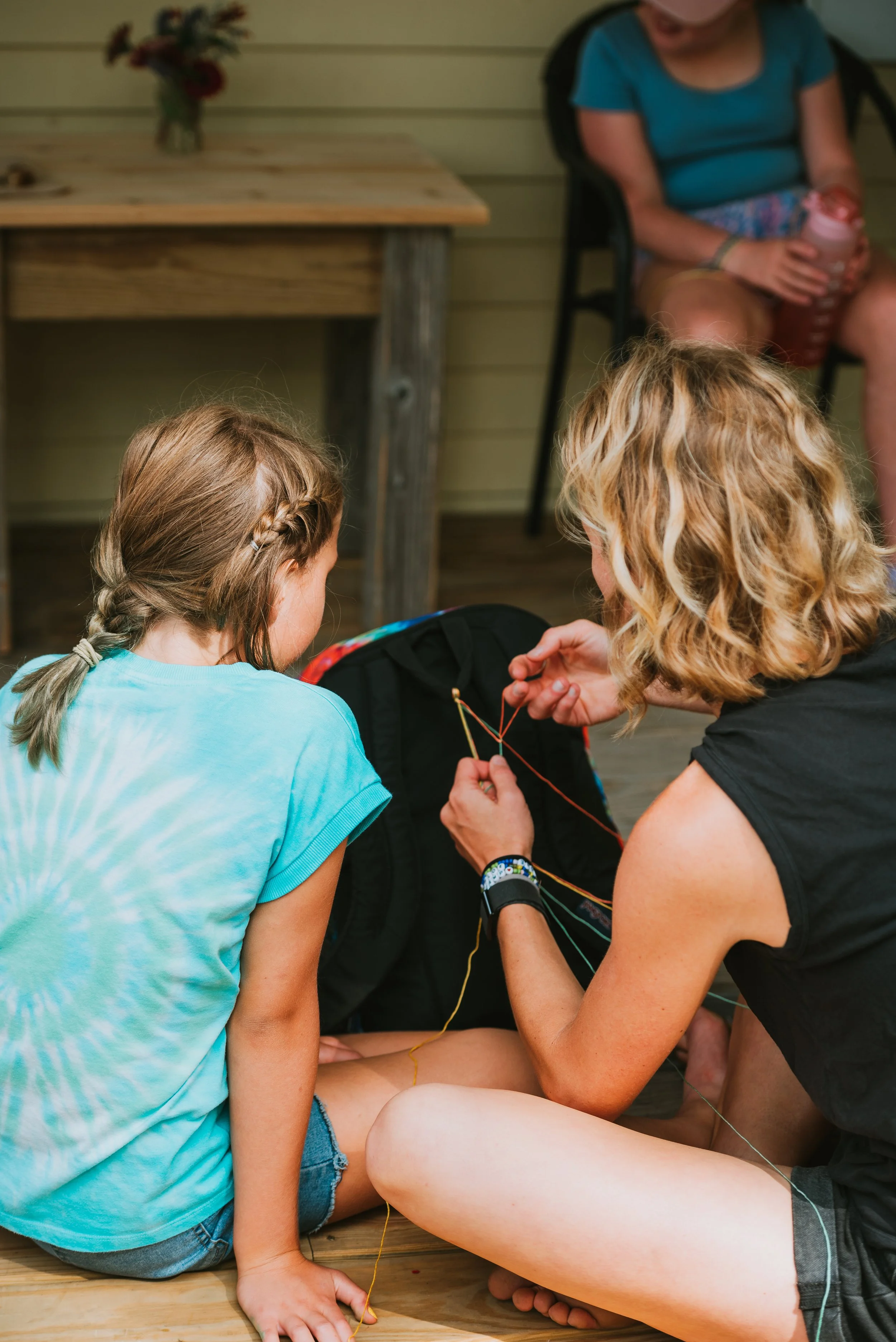
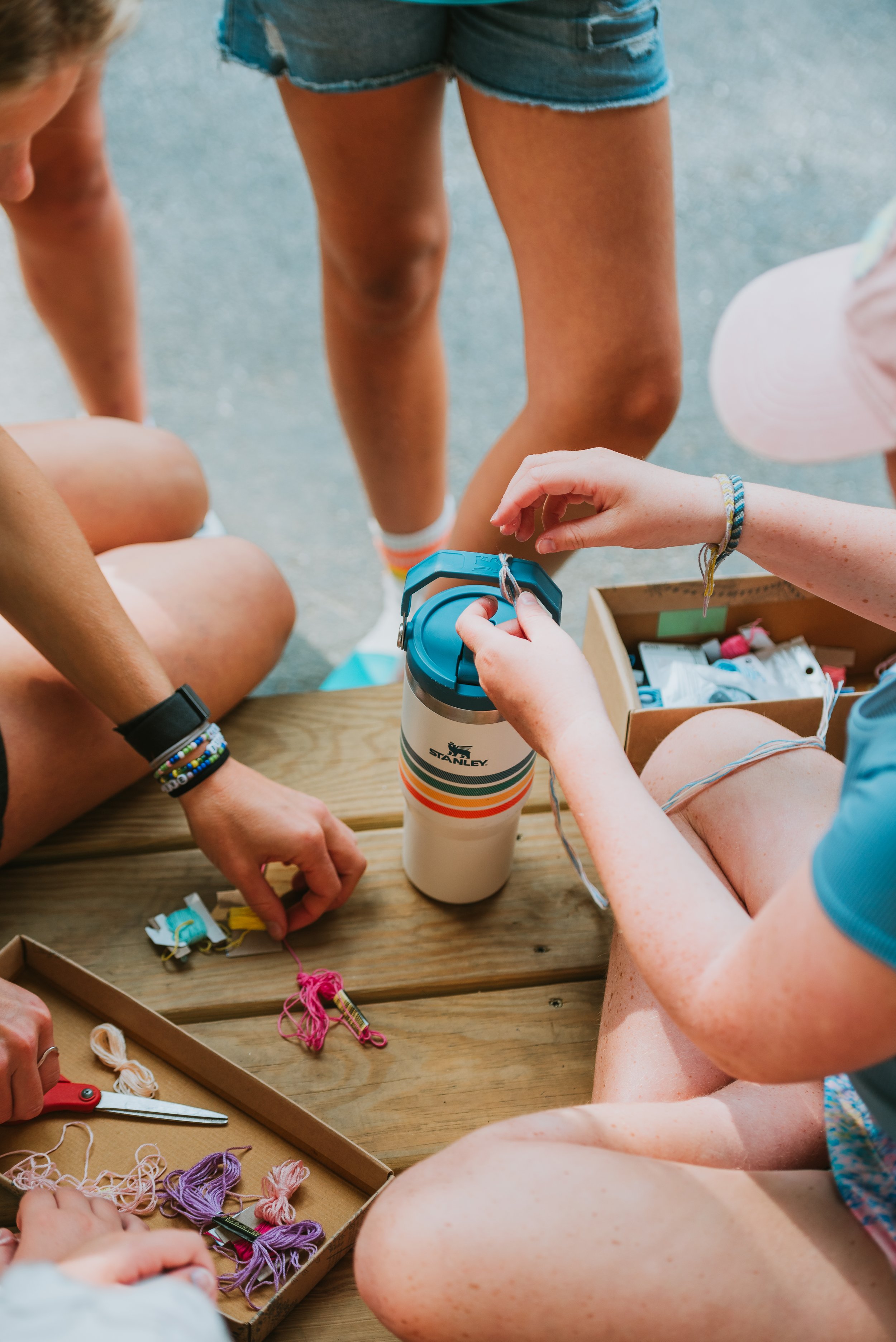
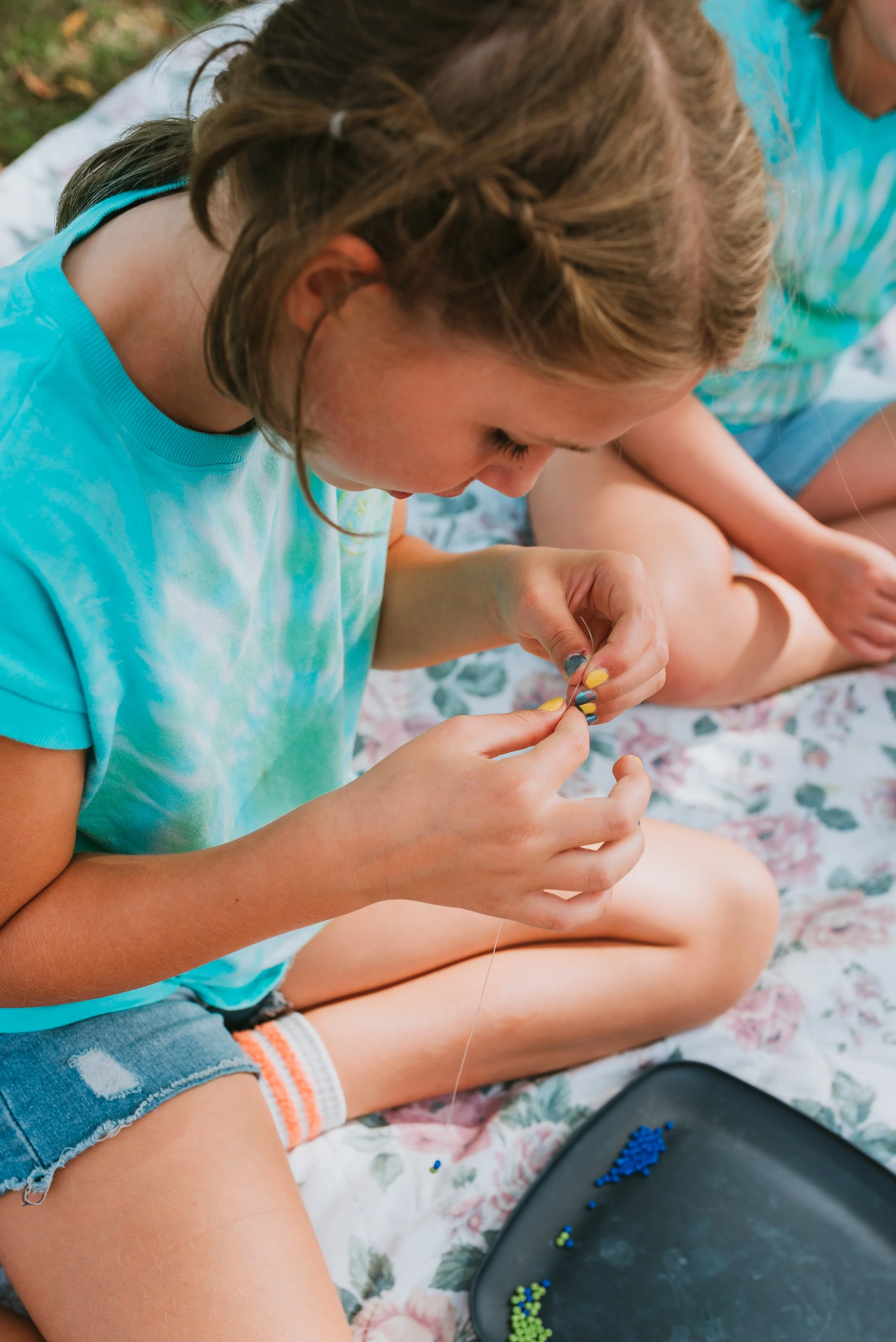
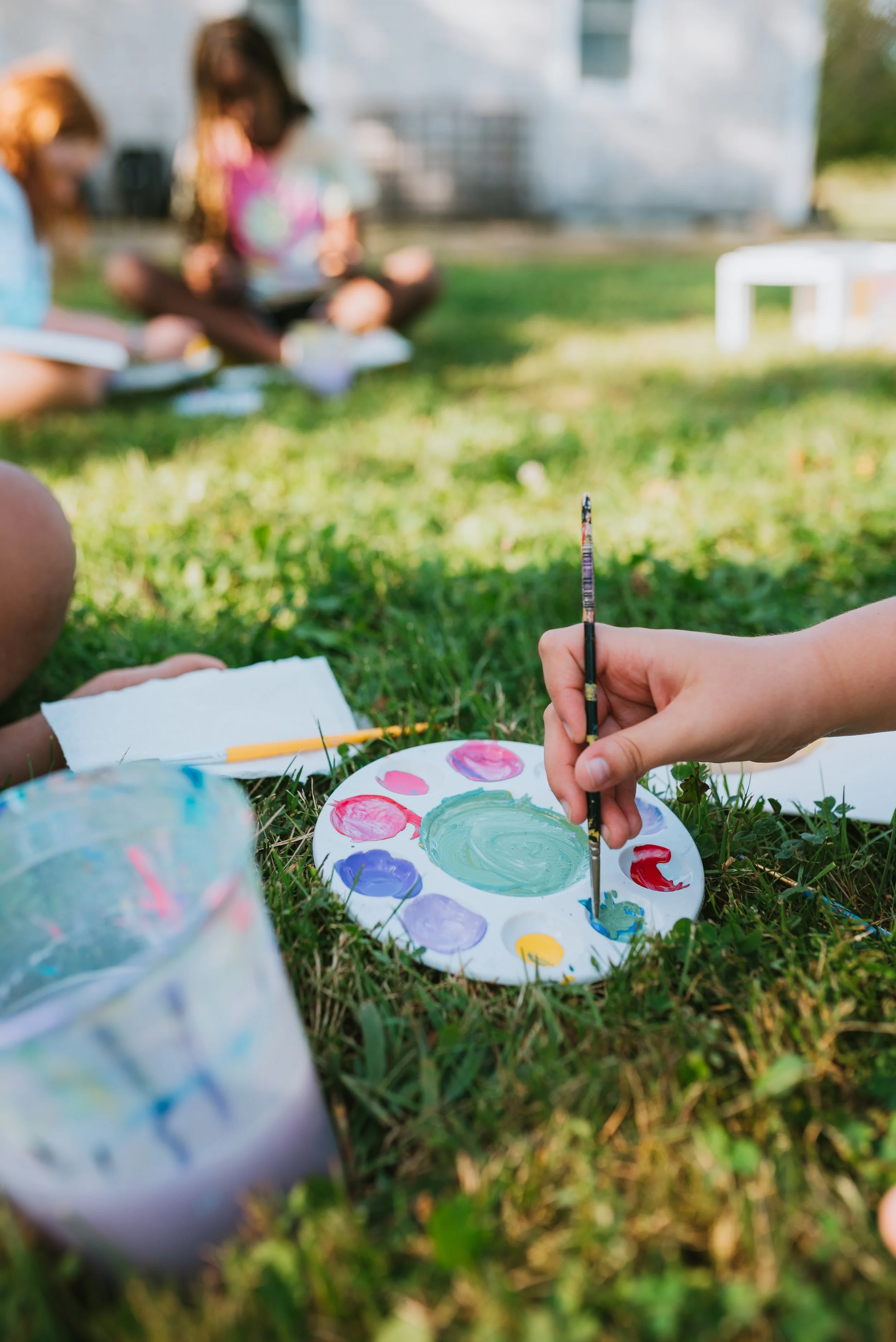
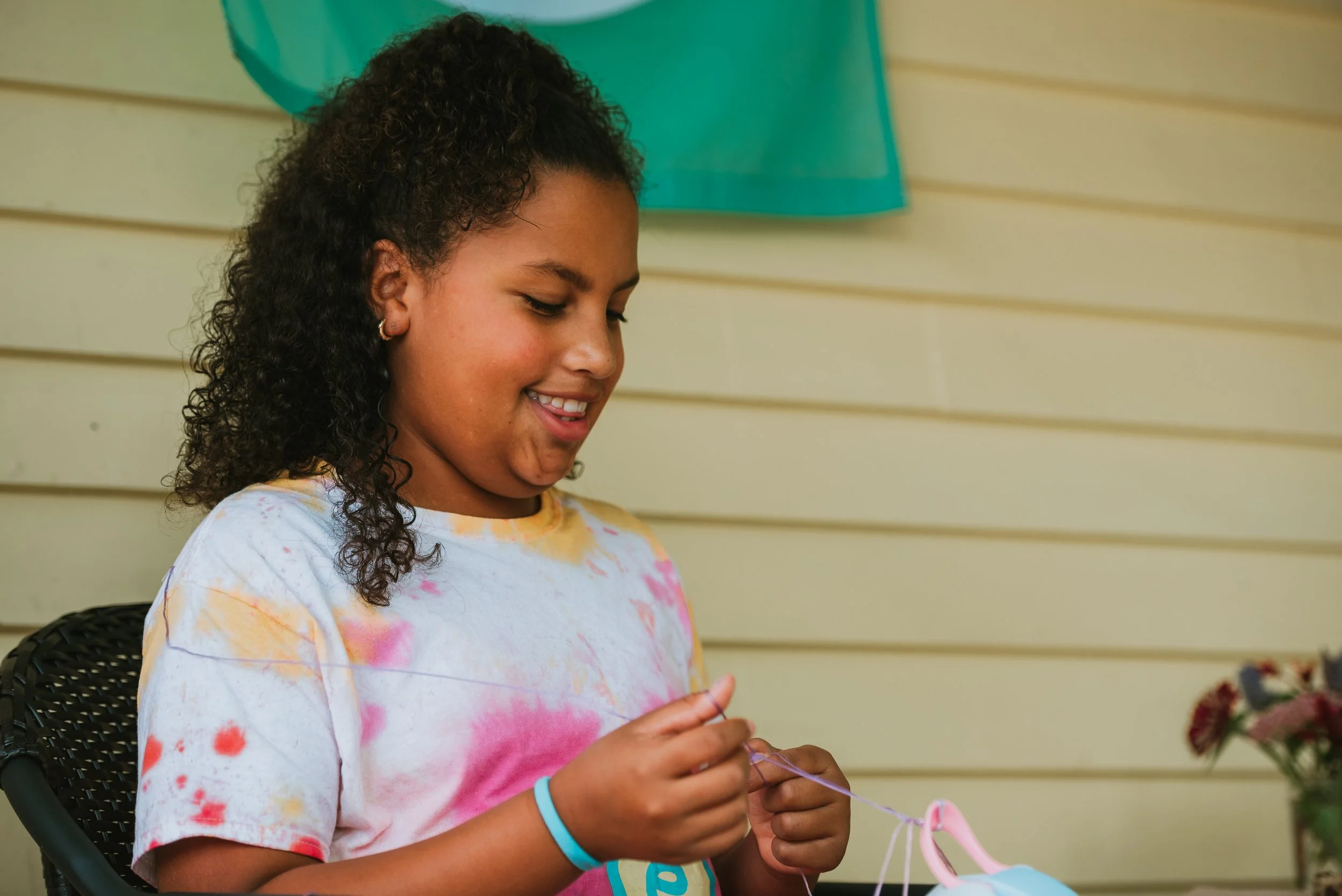
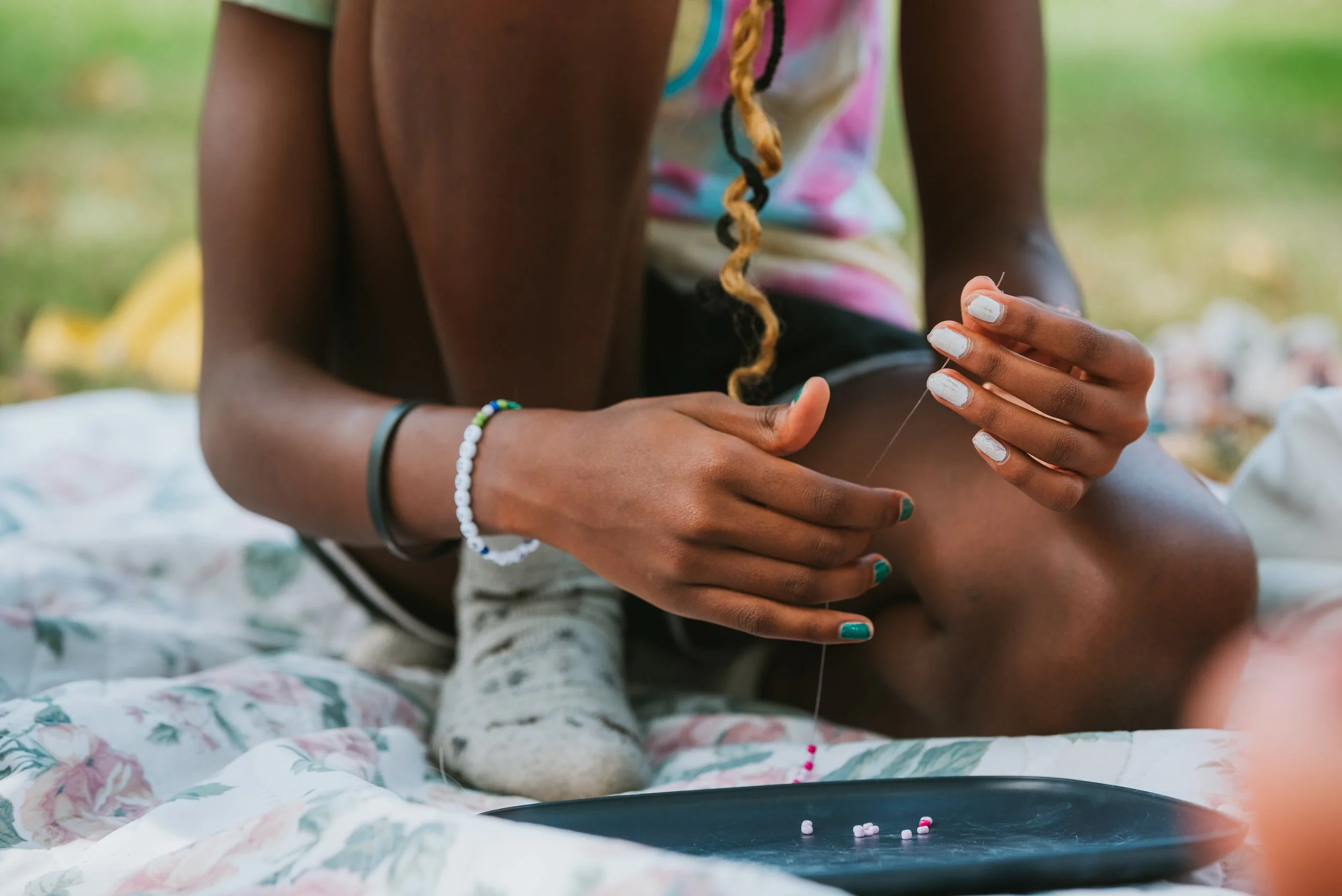
When screens disappear, our attention redirects. It deepens. Beading bracelets turns into hours of quiet focus, or into a long conversation about middle school life. Baking pies becomes math, patience, and deliciousness. Even outdoor play, unscheduled and unstructured, emerges naturally. Spaces where boredom might arrive become containers for invention, connection, and creativity.
What looks like “nothing happening” is actually something essential happening! This idle time is exactly what kids need to grow. It’s when their brains are learning to focus, imagine, and explore.
–
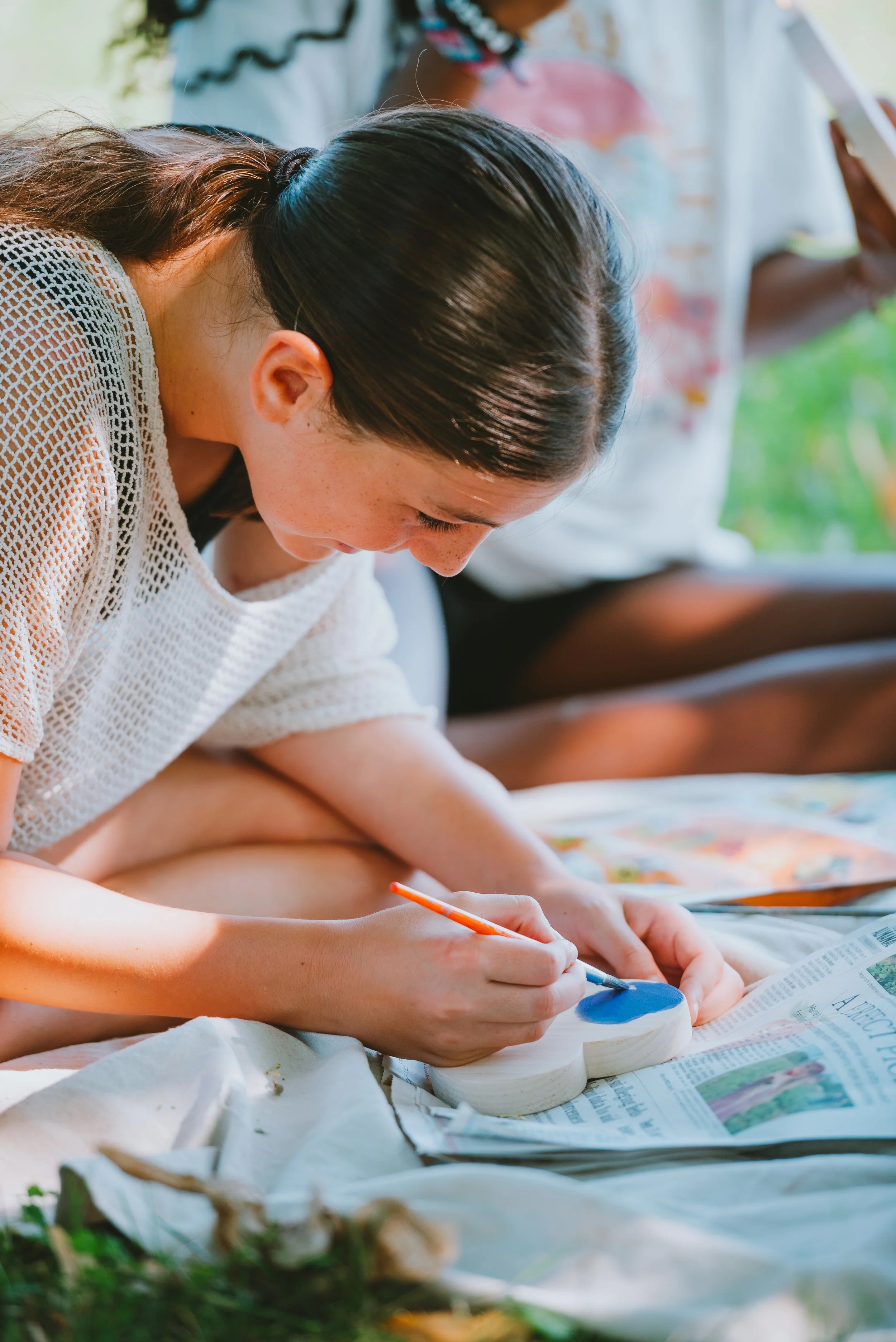
‘Analog’ or ‘grandma-era’ activities do something important for kids’ nervous systems.
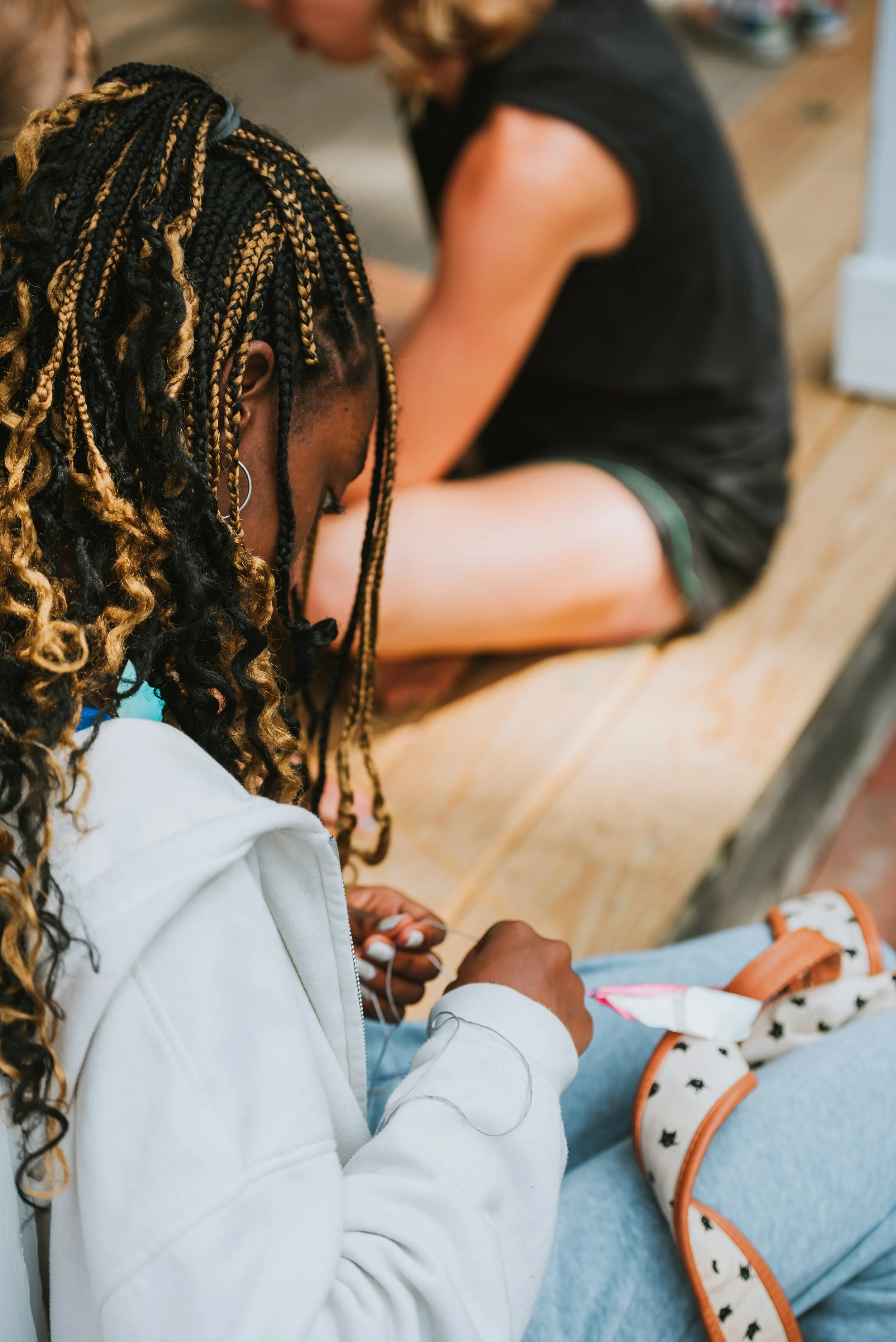
When kids’ hands are busy, something softens. Their bodies and minds begin to relax. Repetitive, tactile work calms without demanding. The rhythm of knitting a stitch — pick up, wrap, pull through, slip off — gives the nervous system a steady pattern to settle into. Slowness opens space. It allows the mind to drift, wander, process, and imagine.
These activities don’t entertain kids, they ground them.
I’ve watched kids arrive at camp nervous, restless, and edgy, and settle into themselves once their hands are occupied and there’s no screen competing for attention.
–
One small, playful way this has entered mainstream life is this idea of the analog bag.
It’s not anti-technology. It’s not about rules or restrictions. It’s about balance and about giving kids something to reach for when screens aren’t an option.
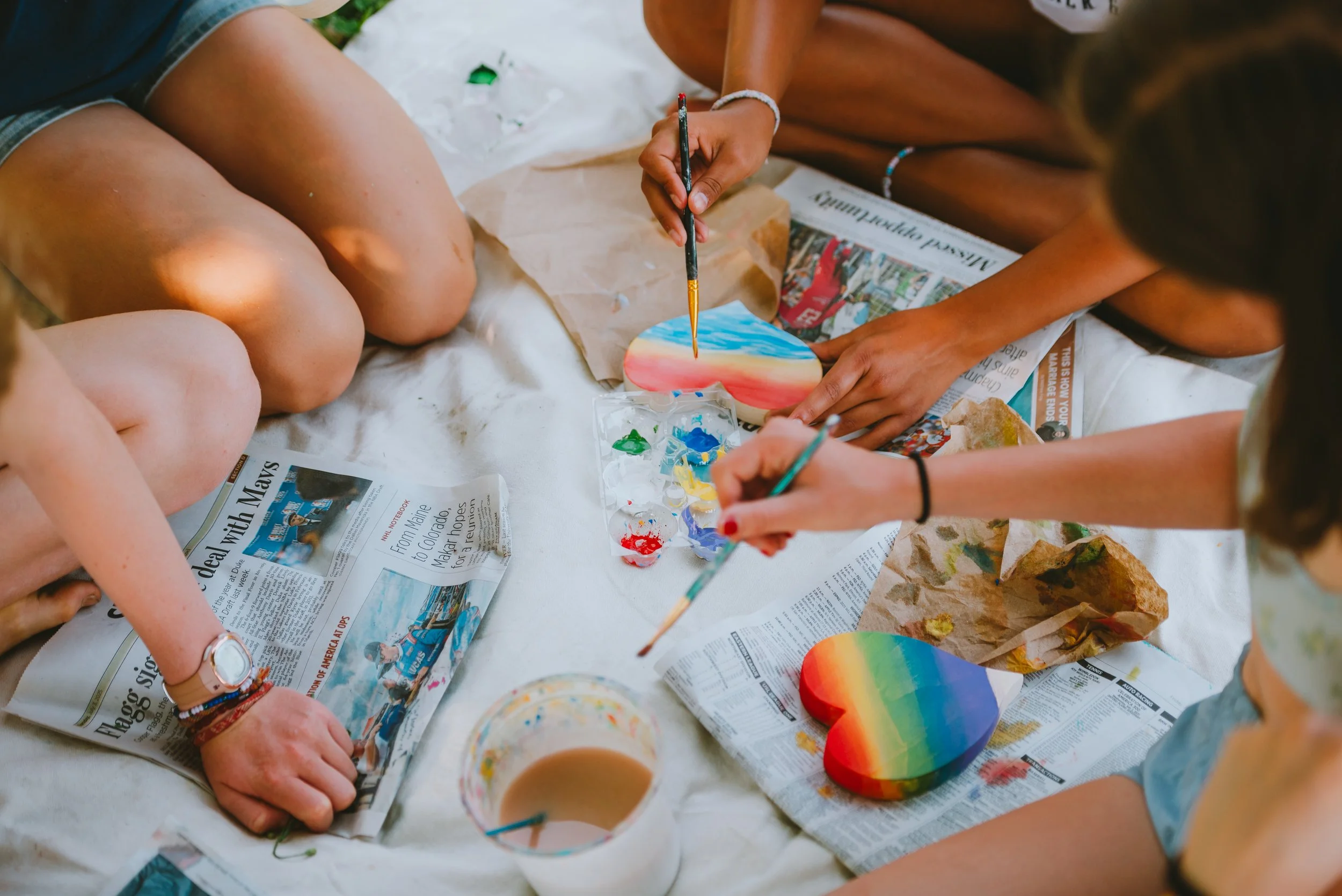
A waiting room becomes a place to embroider instead of scroll. A flight becomes a chance to read for pleasure. A quiet afternoon becomes a space for drawing, solving puzzles, or journaling. The point isn’t the bag. It’s what the bag provides space for.
Creating a bag, though, together with your child, can be a gentle invitation rather than a rule. A way to start exploring the possibilities when we step away from screens. Some ideas for what you could include:
A journal or sketchbook
A book for pleasure
A crossword or sudoku
A small watercolor set
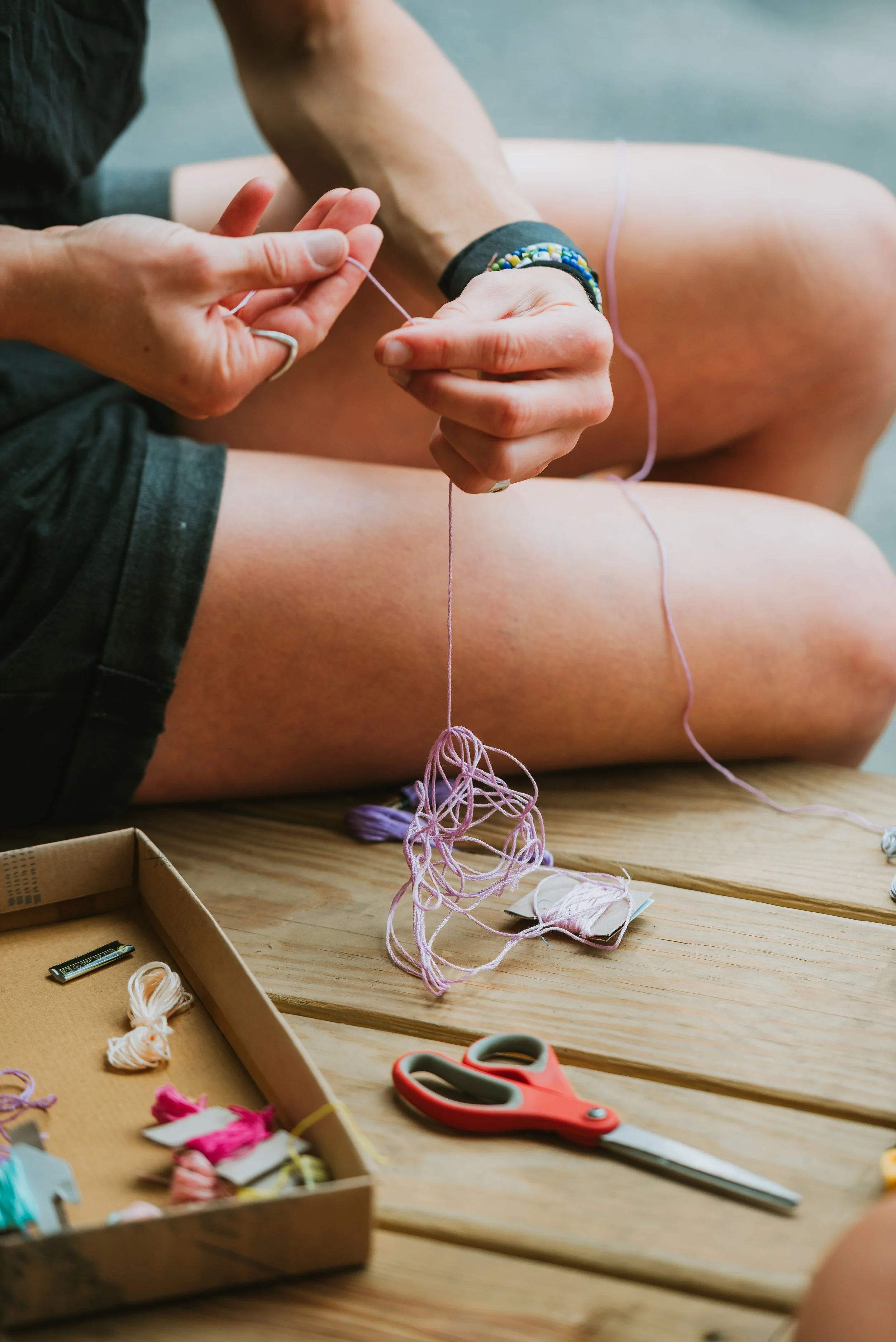
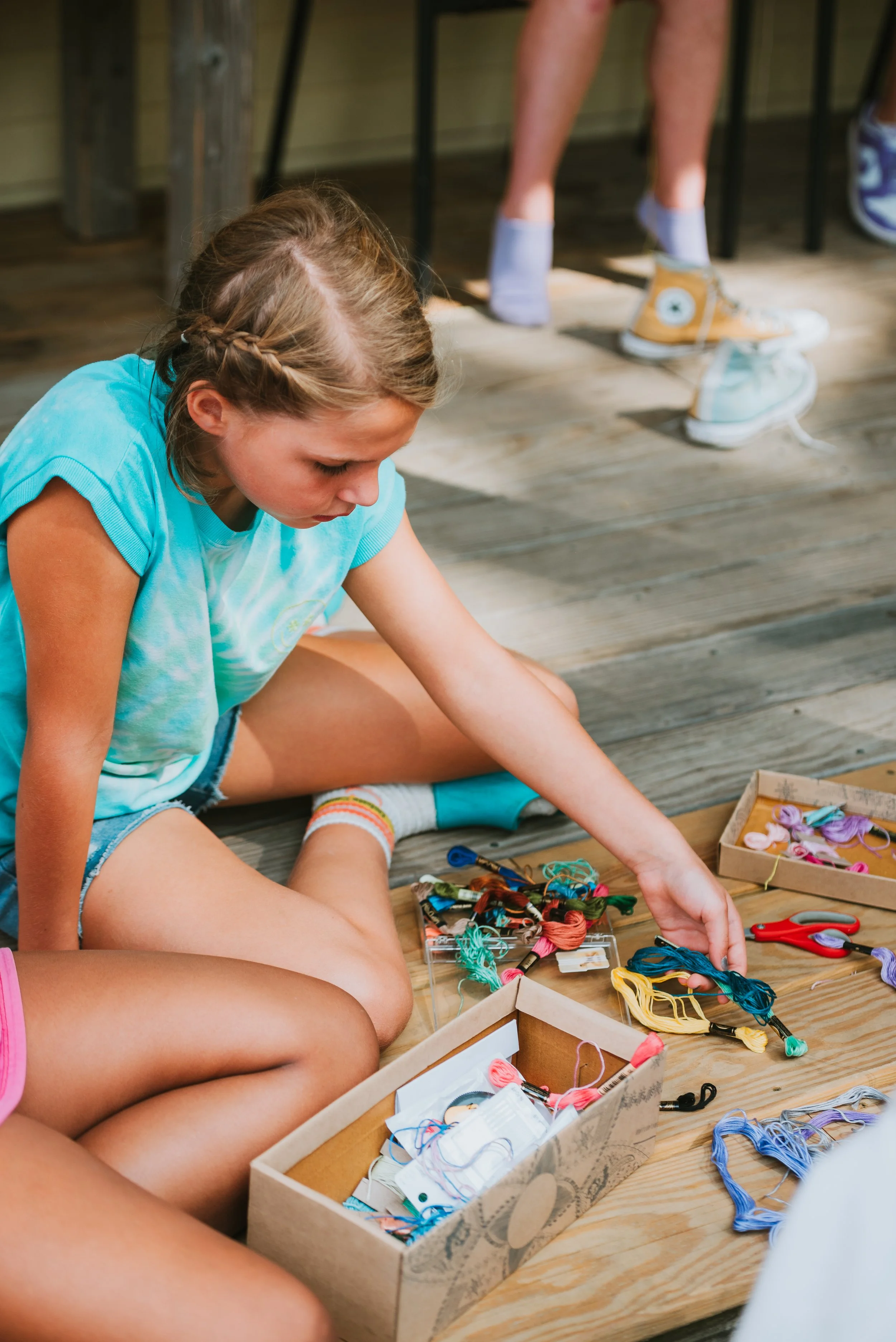
Embroidery thread for friendship bracelets
A deck of cards
A sewing, knitting, or crochet project
A magazine
Again, not to replace screens entirely, but to simply offer something else.
–
Some of my clearest thinking in my busy life these days happens while driving without music — hands on the wheel, attention held just enough to let my thoughts stretch out. Extended periods of being screen-free have taught me how long it actually takes for the mind to settle, and how rich it becomes once it does.
This kind of “grandma-era” life teaches attention. Patience. Trust in slowness.
Knitting, sewing, baking, gardening, reading — none of this is new. It’s only become novel again because we’ve drifted so far away from it. This is a reminder that it’s possible to live differently, even in our modern world, and make small adjustments that bring outsized impact.
You don’t have to eliminate screens. You don’t have to set another rule, download another app, or suddenly move off-grid. Instead of creating a dramatic gap where screens are removed, you’re inviting something small to replace them.
(And a little reassurance – you’re not failing if your child resists at first. Their nervous systems have been trained for constant stimulation and quiet can feel uncomfortable before it feels safe. It takes time, and that’s okay!)
When we give kids unhurried, analog ways to spend time, we’re not just filling space — we’re giving their imagination room to breathe and their inner world a chance to grow.
Author: Chloë Rowse